


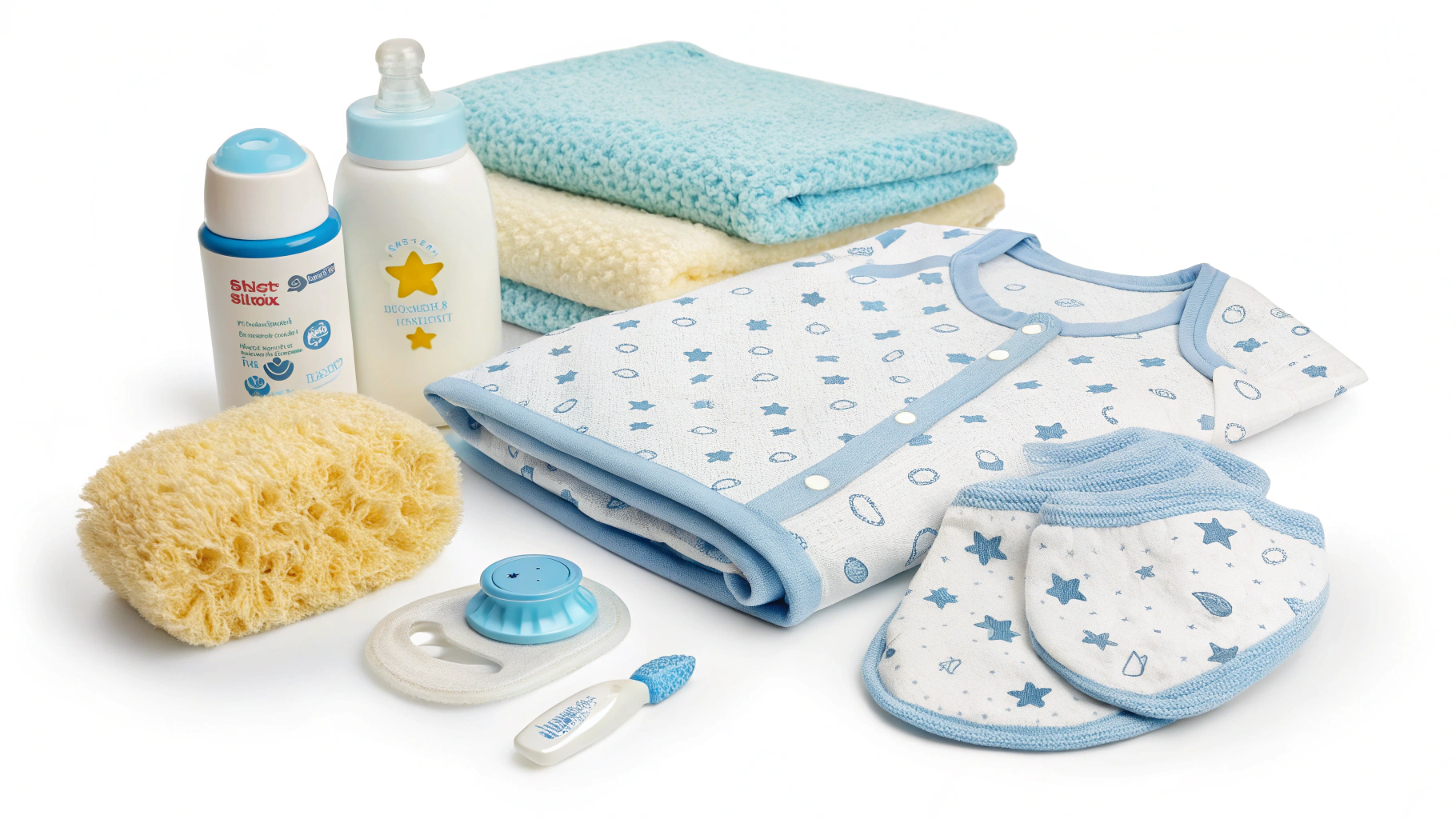
Welcoming a newborn into your family is a life-changing moment filled with joy, excitement, and a little bit of nervousness. Babies are tiny, delicate, and need gentle care. With so many baby products available today, parents often feel confused about what is truly essential and what is optional. This long and easy guide walks you through all the must-have newborn essentials — from bath and feeding items to sleep and skincare products — so you can prepare confidently for your little one.
This article is written in simple English so every parent can understand it easily.
1. Why Newborn Essentials Matter
Newborns depend completely on you for everything — feeding, bathing, comfort, sleep, and skincare. The right essentials help you:
- Keep your newborn safe
- Maintain hygiene
- Make feeding easier
- Support healthy sleep
- Protect delicate baby skin
- Reduce stress in daily care
Having the right items before the baby arrives makes early days smoother, calmer, and more enjoyable.
2. Bath Essentials — Keeping Your Newborn Fresh & Clean
Newborns don’t need long baths every day; 2–3 baths a week are enough. But when you do bathe them, you need the right tools to keep them safe and comfortable.
a) Baby Bathtub
A newborn-sized bathtub or bath seat makes bathing safe. Babies are slippery, so a small tub with good support helps you hold them securely.
What to look for:
- Non-slip surface
- Back support
- Lightweight design
- Easy to clean
A simple tub works perfectly — no need for fancy features.
b) Gentle Baby Body Wash & Shampoo
Baby skin is sensitive. Use a tear-free, fragrance-free, hypoallergenic wash. Choose products made for newborns because adult soap is too harsh.
Tips:
- Avoid strong scents
- Avoid products with alcohol
- Use mild shampoo only once or twice weekly
c) Soft Washcloths
Soft cotton washcloths are best for cleaning delicate skin. Many parents use them for sponge baths during the first week.
d) Baby Towels with Hood
Hooded towels keep your newborn warm after a bath. Since newborns lose heat quickly, wrapping them in a soft towel right after bathing is important.
Choose towels made of:
- Cotton
- Bamboo
- Microfiber (soft varieties)
e) Bath Thermometer
Water temperature matters a lot. Bath water should be warm, not hot. A bath thermometer helps you check water safely. If you don’t have one, test with your elbow — it should feel gently warm.
f) Bath Support Seat (Optional)
Some parents like using a bath support for extra safety. Just make sure you never leave the baby unattended in water, not even for a few seconds.
3. Feeding Essentials — Whether Breastfeeding or Bottle Feeding
Feeding is one of the most important parts of newborn care. Your baby will feed every 2–3 hours, so having the right items helps make it easier and more comfortable.
a) Baby Bottles
Even if you breastfeed, having a few bottles is helpful for pumped milk or when someone else feeds the baby.
Choose:
- BPA-free plastic or glass
- Easy-to-clean shapes
- Anti-colic nipples to reduce gas
Start with 4–6 small newborn-size bottles.
b) Breast Pump (If Breastfeeding)
A breast pump helps you:
- Store milk
- Relieve engorgement
- Share feeding responsibilities
- Continue breastfeeding if you return to work
Electric pumps work faster, while manual pumps are inexpensive and portable.
c) Nursing Pillow
Nursing pillows support the baby and reduce strain on your arms and back. They keep the baby at the right height for breastfeeding and bottle feeding.
d) Burp Cloths
Newborns spit up often. Burp cloths protect your clothes and help keep feeding time clean. Keep 6–10 cloths ready because you will change them often.
e) Formula (If Not Breastfeeding)
If you formula-feed, pick a brand recommended by your pediatrician. Always follow the instructions carefully for safe preparation.
f) Bottle Warmer (Optional)
A warmer is not essential but makes night feedings easier. It heats milk evenly and avoids hot spots.
g) Sterilizer (Optional)
You can sterilize bottles by boiling them, but a sterilizer saves time and gives peace of mind.
4. Sleep Essentials — Safe & Comfortable Rest
Newborns sleep for 14–17 hours a day, but in short periods. Proper sleep items help make these naps more comfortable and safe.
a) Crib or Bassinet
You can choose a crib or bassinet based on space and preference. Bassinets are great for the first 3–4 months because babies sleep near you.
Important features:
- Sturdy frame
- Flat, firm sleep surface
- Breathable sides
- No loose blankets or toys
b) Firm Crib Mattress
A firm mattress prevents sinking and supports safe sleep. Always use the correct size to avoid gaps.
c) Fitted Sheets
Keep 2–4 fitted sheets. They should fit tightly and not bunch up.
d) Swaddles
Swaddles help newborns sleep better by wrapping them snugly and preventing sudden arm movements.
Types:
- Muslin swaddles (lightweight)
- Velcro swaddles (easy to use)
e) Sleep Sacks
A sleep sack is a wearable blanket. It keeps your baby warm without needing loose blankets, which are unsafe.
f) Baby Monitor
If your baby sleeps in a separate room, a monitor lets you watch and hear them anytime. Video monitors offer extra peace of mind.
5. Skincare Essentials — Protecting Delicate Baby Skin
Newborn skin is soft but sensitive. Using gentle skincare products helps prevent dryness, rashes, and irritation.
a) Baby Lotion or Moisturizer
Choose a fragrance-free, hypoallergenic lotion. Apply after baths to keep skin soft.
b) Diaper Rash Cream
Diaper rash is common in newborns. A good cream with zinc oxide protects skin and speeds healing.
c) Baby Oil
Baby oil is optional but helpful for dry patches or gentle massage time.
d) Baby Powder (Optional & Safe Use)
If you use baby powder, make sure it is talc-free. Use sparingly and never near the baby’s face.
e) Soft Baby Brush
A soft brush helps with cradle cap and keeps hair smooth.
6. Diapering Essentials — Clean & Comfortable Baby
Diapering is a huge part of newborn care. Babies need frequent changes to stay clean and prevent irritation.
a) Newborn Diapers
Disposable or cloth — choose what suits your lifestyle.
Newborns use:
- 8–12 diapers per day
- Smaller sizes, because they grow fast
b) Baby Wipes
Choose wipes that are:
- Fragrance-free
- Alcohol-free
- Hypoallergenic
- Soft on skin
c) Changing Pad
A waterproof changing pad protects surfaces during diaper changes. Travel-size versions are useful for outings.
d) Diaper Pail (Optional)
A diaper pail reduces smell and keeps dirty diapers sealed. It’s convenient but not mandatory.
7. Clothing Essentials for Newborns
Newborns grow quickly, so buy only what they need for the first few weeks.
a) Onesies
6–8 soft cotton onesies are enough. Look for stretchy neck openings or front snaps.
b) Sleepsuits or Rompers
4–6 sleepsuits work for day and night. Zippers make diaper changes easier.
c) Mittens & Socks
Mittens prevent scratching. Socks keep tiny feet warm.
d) Hats
Newborns lose heat quickly from the head. Soft cotton hats are perfect for outings.
e) Swaddles & Blankets
Light blankets are useful for wrapping, warmth, or stroller time — but never place loose blankets in the crib.
8. Health & Safety Essentials
Having basic health and safety tools at home helps you stay prepared.
a) Digital Thermometer
Essential for checking temperature when your baby seems unwell.
b) Nasal Aspirator
Helps clear a stuffy nose because newborns cannot blow their own nose.
c) Baby Nail Clippers
Newborn nails grow fast and are sharp. Use clippers or a baby nail file to prevent scratches.
d) First Aid Kit
Include:
- Bandages
- Cotton pads
- Antiseptic wipes
- Baby-safe medicine (as recommended by doctor)
e) Baby-Proofing Items
Not needed immediately, but useful when babies start moving:
- Outlet covers
- Corner guards
- Cabinet locks
- Door stoppers
9. Travel & Outdoor Essentials
You will be taking your baby for checkups, family visits, and short outings. These items make travel easier and safer.
a) Car Seat (Must-Have)
A rear-facing infant car seat is required for safe travel. Make sure it fits your car properly.
b) Stroller
A lightweight stroller is perfect for newborn outings. Look for:
- Comfortable seat
- Good wheels
- Sunshade
- Storage basket
c) Baby Carrier
Carriers help keep your baby close while your hands stay free. Choose ergonomic carriers for comfort.
d) Diaper Bag
A good diaper bag includes:
- Changing pad
- Bottle pockets
- Wipe pocket
- Multiple compartments
Pack essentials like diapers, wipes, a spare outfit, and burp cloths.
10. Optional Comfort Items
These items are not mandatory but can make newborn life easier.
a) Pacifiers
Some babies find comfort in pacifiers. They help reduce crying and support sleep.
b) White Noise Machine
White noise helps babies sleep longer by covering background noise.
c) Rocker or Swing
A gentle rocking motion calms and entertains newborns. Always supervise your baby and avoid long naps in rockers.
Tips for New Parents
- Keep things simple — newborns don’t need too many products.
- Follow safe sleep practices: baby sleeps on back, on a firm surface.
- Don’t overuse skincare products; babies need very gentle care.
- Buy only the essentials first — you can add more later.
- Ask your doctor whenever you feel unsure.
- Enjoy bonding time; newborn days pass quickly.
Conclusion
A newborn essentials set should include everything your baby needs for bath time, feeding, sleep, skincare, diapering, health, and travel. You don’t have to buy every product in the store — just choose the items that keep your baby safe, clean, comfortable, and well-fed. With the right essentials ready, the first weeks with your newborn will feel calmer and more enjoyable.
