


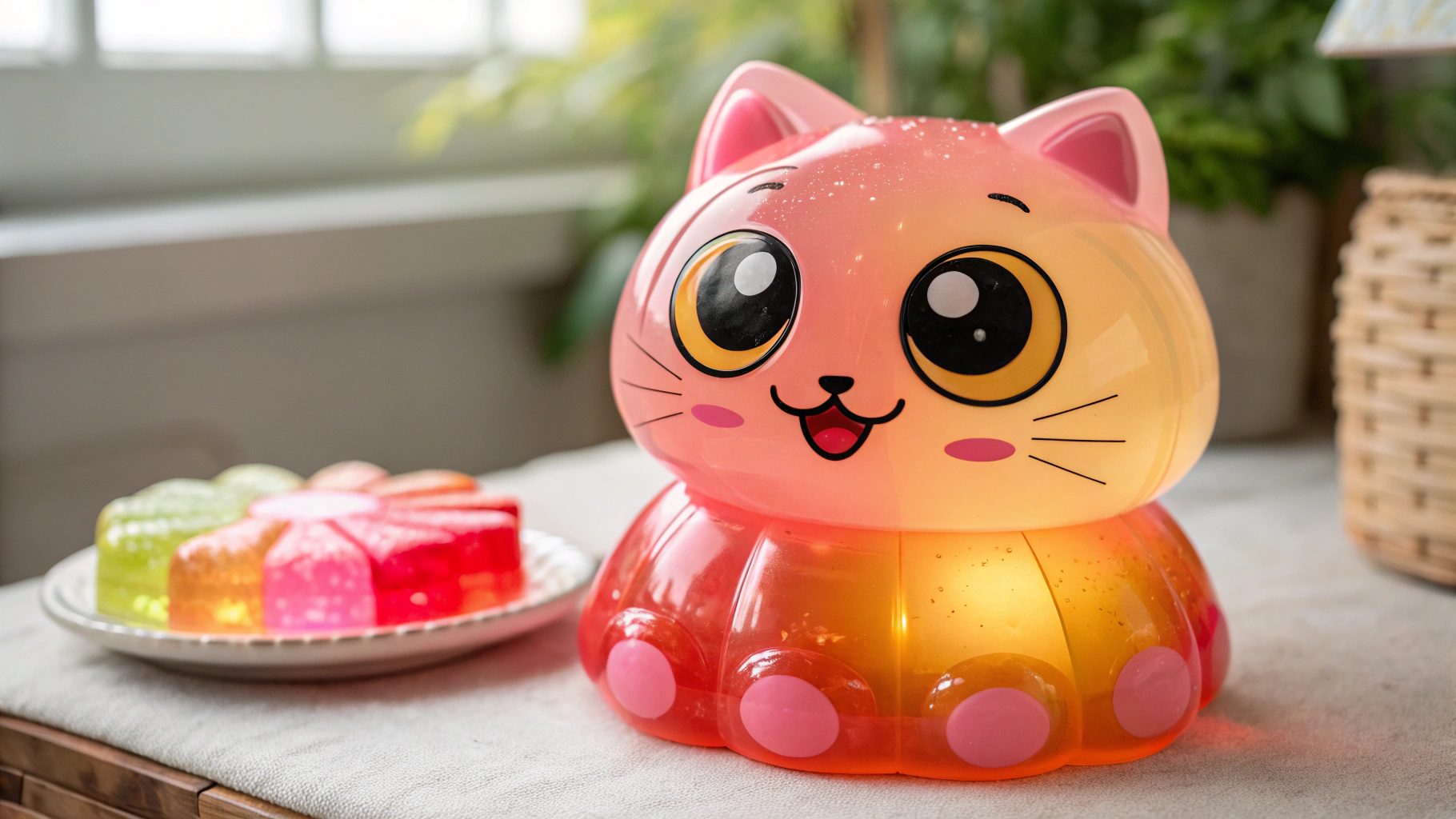
In the world of toys, trends usually come and go like the seasons. But Jellycat, the British brand founded in London in 1999, has done something nearly impossible: it has transformed the humble stuffed animal into a global cultural phenomenon that appeals just as much to a 30-year-old professional as it does to a newborn baby.
As of 2025, Jellycat has moved far beyond the toy aisle. It is a symbol of the “healing economy,” a viral social media star, and a legitimate collectible that commands high prices on the secondary market. This guide explores the magic behind the brand, the most iconic characters to look for, and why these quirky plushies have become the ultimate emotional support companions of our time.
1. The Story of the Name: A Child’s Dream
The name “Jellycat” sounds like something straight out of a storybook, and that’s because its origin is rooted in pure imagination. The brand was founded by brothers William and Thomas Gatacre, but the name itself was reportedly inspired by a child who loved both jelly and cats.
The idea of a cat wearing a hat made of jelly was so whimsical and “witty” that it became the foundation of the brand’s philosophy. In 2025, that quirky spirit remains at the heart of every design, from a grumpy-faced frog to a smiling slice of sourdough bread.
2. Why Adults are Obsessed: The “Kidult” Phenomenon
The most significant shift for Jellycat in recent years has been its massive popularity among adults—often referred to as “Kidults.” In a high-stress, digital-heavy world, many people are turning to these plushies for more than just decoration.
- Emotional Support: On platforms like TikTok and Instagram, Jellycats are often called “emotional support plushies.” Their incredible softness provides a sensory “grounding” experience that helps relieve anxiety.
- The Healing Economy: Jellycat has tapped into the “comfort” trend. Having a smiling avocado or a tiny, fluffy bear on your work desk isn’t just “cute”—it’s a small, tangible way to bring joy into a sterile environment.
- Aesthetic Decor: With their sophisticated color palettes and unique shapes, many Jellycats are used as home decor pieces. They fit perfectly into the “Cottagecore” or “Maximalist” design trends of 2025.
3. Iconic Collections: From Bunnies to Breakfast
Jellycat’s catalog is vast, but a few specific lines have become the “holy grails” of the collecting world.
The Bashful Collection
The Bashful Bunny is the undisputed face of the brand. With its signature long, floppy ears and velvety fur, it is the go-to gift for newborns. However, the collection has expanded to include dragons, puppies, and even dinosaurs, all sharing that same “bashful,” huggable design.
The Amuseables
This is where Jellycat truly broke the mold. The Amuseables line takes everyday, inanimate objects and gives them a cheerful smile and tiny corduroy legs.
- Foodies: The Amuseable Coffee Cup, Croissant, and Avocado are viral sensations.
- Plants: The “Silly Succulents” and “Potted Palms” are perfect for people who want the look of house plants without the maintenance.
- Objects: You can find everything from a plush soccer ball to a smiling cloud or a tiny set of bagpipes.
The “Smudge” and “Fuddlewuddle” Lines
Known for being even softer than the standard plush, the Smudge collection features animals with a more “floppy” and weighted feel, making them perfect for cuddling during sleep.
4. The Collectibility: Retiring and Rarity
One of the reasons Jellycat remains so popular in 2025 is the “Retirement” system. Periodically, Jellycat stops production on certain models to make room for new ones.
- The FOMO Factor: When a popular design is “Retired,” its value often skyrockets. Collectors track these lists closely, leading to a thriving secondary market where rare items (like certain colors of the Fergus Frog or the Sky Dragon) can sell for hundreds of dollars.
- Limited Editions: Seasonal releases for Christmas, Halloween, and Valentine’s Day are highly anticipated, often selling out within hours of hitting the official website.
5. Spotting a Fake: The 2025 Authenticity Guide
With popularity comes the rise of “dupes” and counterfeits. If you are buying a Jellycat for the first time, here is how to ensure it’s the real deal:
| Feature | The Real Jellycat | The Fake (Counterfeit) |
| The Tag | A thick, high-quality “swing tag” with the iconic logo. | Flimsy, blurry printing, or spelling errors. |
| The Texture | “Cloud-soft” and consistent pile. | Stiff, rough, or “plasticky” feel. |
| The Eyes | Perfectly symmetrical and securely attached. | Wonky, uneven, or looking “glued on.” |
| The Price | Premium pricing (usually $25 – $100+). | “Too good to be true” prices on unknown sites. |
6. Where to Buy Jellycats in 2025
While the official Jellycat.com website is the best source for new releases, the brand is famous for its “Brand Elevation” strategy. They have recently focused on supplying high-end boutiques and prestigious department stores (like Selfridges or Nordstrom) to maintain their “luxury-lite” status.
Pro Tip: In 2025, many users are using the “Store Locator” on the official site to find small, independent local shops, which often have “hidden gem” stock that sold out online weeks ago.
Final Thoughts
Jellycat is more than a toy company; it is a “smile-making” business. Whether you are buying a Bartholomew Bear for a grandchild or a Sports Pickleball for your own office, you are buying a piece of craftsmanship designed to last a lifetime. In a world that can often feel heavy, these quirky, soft, and smiling characters remind us that it’s okay to embrace our inner child.
Would you like me to help you find the current “Retired List” for 2025 to see if any of your favorites are about to become rare collectibles?
