


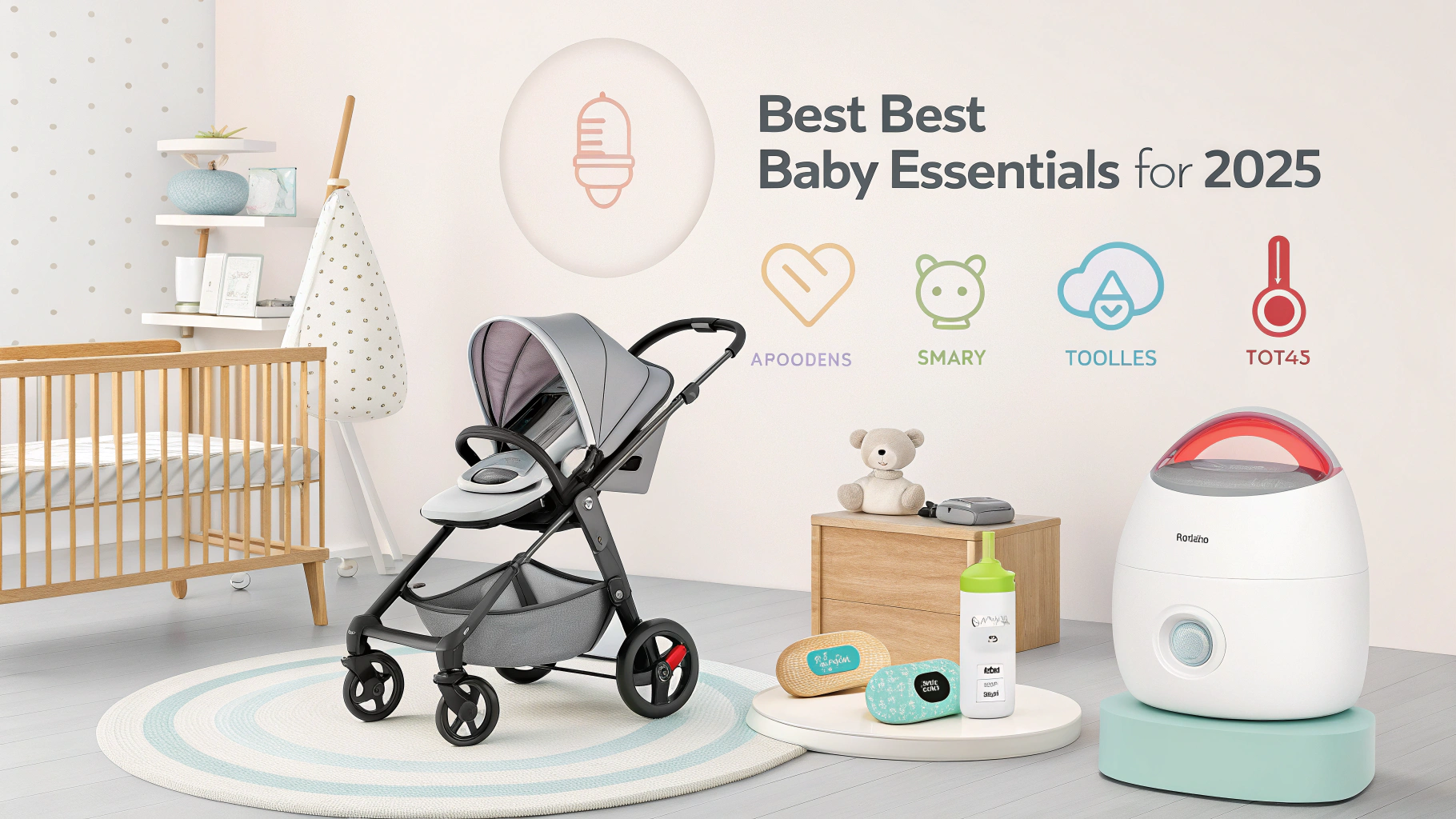
Bringing home a baby is exciting and a little scary. There are so many products on the market that it’s easy to feel lost. This guide walks you through the most useful, trusted baby essentials for 2025 — the items parents use most, the ones experts recommend, and a few safety tips so you choose wisely. I write in plain English so you can scan, decide, and buy with more confidence.
Quick overview — what matters most
When you buy baby gear, think about safety, comfort, ease of use, and how long the item will last. For many new parents, the most important categories are: car seat, stroller, diapers, sleep gear, feeding gear, baby carrier, and a good baby monitor. Experts test these items in labs and with parents; they keep recommending the same categories because they make day-to-day life easier and safer.
1) Car seats — the top safety buy
A car seat is the most safety-critical purchase. Lab testing groups and reviewers consistently put infant car seats and convertible seats at the top of their lists because they directly protect your child in a crash. In 2025, organizations like Consumer Reports and BabyGearLab publish updated crash-test results and top picks — checking those lists before you buy is wise. Consumer Reports+1
Practical tips
- Buy a seat that fits your car. Some seats are hard to install in certain vehicles.
- Get a seat with good crash-test ratings and easy installation features (clear belt paths, LATCH guides). Consumer Reports and The Bump list recommended models and value picks.
- Consider buying a new or gently used seat only if you know its full history (no crashes, no missing parts) and it is not past the manufacturer’s expiration date.
2) Strollers — pick by lifestyle
A stroller is something you use every day, so pick the style that fits your life: compact travel stroller, full-size everyday stroller, jogging stroller, or a modular system that works with car seats.
What experts say: Award lists like Parents and The Bump update their best-of lists each year to highlight dependable strollers for different needs (travel, everyday, luxury, budget). If you travel a lot, a lightweight, airline-friendly stroller is worth its weight in gold.
Practical tips
- Test the folding mechanism — can you fold it with one hand?
- Check wheel quality for your local terrain (city pavements vs. rough tracks).
- If you want a travel system, verify the car seat clicks into the stroller base securely.
3) Diapers & wipes — daily must-haves
Diapers are the single biggest recurring cost. In 2025, trusted brands (both disposable and cloth) remain popular, and parent polls and registry lists show clear favorites — use those as a starting point and then try small packs to see what fits your baby’s shape and your budget. Babylist’s 2025 parent-voted lists show which diapers parents trust most.
Practical tips
- Newborns can use 8–12 diapers a day at first. Stock up but don’t buy huge amounts of one size — babies grow fast.
- Try a few brands before committing to a subscription. Look for good fit and leak protection.
- Keep fragrance-free wipes and a diaper rash cream on hand.
4) Sleep essentials — crib, mattress, and safe sleep
Safe sleep is the number one thing pediatricians stress. Choose a firm crib mattress, use a well-made crib that meets safety standards, and always place your baby on their back to sleep. Many parenting sites and award lists update crib and mattress recommendations each year.
Practical tips
- No loose blankets, pillows, or soft toys in the crib for infants under 12 months. Use a fitted sheet and consider swaddles or a wearable blanket for warmth.
- Keep the mattress firm and replace it if it sags.
- If you use a bassinet for early months, check weight and age limits.
5) Baby monitor — peace of mind
A reliable monitor reduces anxiety. You can choose from audio-only monitors, video monitors (Wi-Fi or dedicated), and movement-monitoring devices. In 2025, many parents prefer a simple, secure video monitor with local access or strong encryption. Check recent best-of lists to see which models tested well for range, battery life, and video clarity.
Practical tips
- If you use a Wi-Fi monitor, secure your home network and use strong passwords.
- Test audio and video range in your home layout before relying on it at night.
6) Feeding gear — bottles, pump, nursing supplies
Whether you breastfeed, bottle-feed, or combine both, certain items are essentials: bottles and nipples your baby likes, a good breast pump (if you plan to pump), burp cloths, and a nursing pillow.
What to choose
- For pumping moms, many experts recommend hospital-grade or highly rated electric pumps for frequent pumping.
- For bottle feeding, some bottles reduce colic by limiting air, but every baby is different — try a few shapes and sizes.
- If breastfeeding, invest in comfortable nursing bras and a supportive nursing pillow.
7) Baby carrier — hands-free and bonding
A well-fitting baby carrier keeps your baby close and lets you get things done. Popular types: soft-structured carriers, wraps, and slings. Many parents use carriers from newborn through toddler years depending on the model’s weight limits.
Practical tips
- Look for ergonomic carriers that support the baby’s hips and spine.
- Practice putting it on with help before you leave the house.
- Choose breathable fabrics for hot climates.
8) Bath & grooming — safety and comfort
A small baby bathtub or a safe sink-bathing setup, gentle baby shampoo, a soft towel, and a baby nail clipper are all you need to bathe and groom your newborn safely.
Practical tips
- Never leave a baby alone in the bath, even for a second.
- Use lukewarm water and test it with your elbow.
- Trim nails safely and use a soft-bristled brush for cradle cap.
9) Health & safety items
A small first-aid kit, a digital thermometer, nasal aspirator, and baby-safe sunscreen (for older infants per pediatric guidance) are important. Keep contact numbers for your pediatrician handy.
Safety note: Check product recalls and safety alerts before buying used gear. Trusted testing organizations and parenting outlets publish safety updates and top picks regularly.
10) Toys and learning gear — simple is best
Babies grow fast. In the first year, they love high-contrast books, soft rattles, stacking cups, and supervised floor time on a play mat. Choose toys with age-appropriate parts and avoid small pieces for under-3s.
Practical tip: Many “best toys” lists favor open-ended toys (blocks, stacking rings) because they last longer and grow with the child.
11) Diaper bag & on-the-go essentials
A roomy diaper bag with a changing pad, extra diapers, wipes, an extra outfit, plastic bags, and small snacks (for older babies) is essential. For travel, a compact stroller and car seat that fit your car and luggage are top priorities. Expert roundups often include “best on-the-go” lists for busy families.
Money-saving tips
- Buy only what you need right away. Newborns outgrow many things in a few months.
- Borrow or buy secondhand for items that don’t have safety lifetimes (like baby clothes or some toys), but always avoid used car seats unless you know their full history.
- Look for registry completion discounts and seasonal sales. Many retailers offer price drops and registry benefits.
What experts and parent polls say in 2025 — short bullets (with sources)
- Car seats: Lab tests and expert groups recommend specific infant and convertible car seats based on crash-test performance and ease of use. Always check the latest test results before you buy.
- Diapers: Parent-voted lists show which diapers perform best for fit and leak protection; trying small packs is the best strategy.
- Strollers & on-the-go gear: Annual awards list top strollers by use case — travel, everyday, luxury, or budget. Pick one that fits your daily routine.
- Registry & checklists: The Bump, BabyCenter, and other parenting sites publish curated registry checklists and “must-haves” that are updated each year. These lists are great starting points.
(Those five citations point you at up-to-date testing and widely used parent-vote lists to help you choose specific models.)
A simple starter shopping list (newborn — first 3 months)
- Infant car seat (new or brand-new history).
- Stroller or travel system (fits your lifestyle).
- 2–3 packs of newborn diapers + wipes.
- Crib or bassinet + firm mattress and fitted sheets.
- Baby monitor (audio or video).
- Feeding supplies (bottles, pump if needed, nursing pillow).
- One wearable blanket or swaddle, several onesies, soft socks.
- Baby carrier (soft-structured or wrap).
- Small first-aid kit + digital thermometer.
- Diaper bag + changing pad.
How to choose brands and models
- Read recent lab tests (Consumer Reports, BabyGearLab) for safety items like car seats and cribs.
- Read parent-voted lists (Babylist, The Bump) for everyday items and diapers to understand what real parents love.
- Watch short demo videos or try items in-store when possible — it helps with things like stroller folding and carrier adjustments.
Final tips — what to buy now vs. later
Buy safety and sleep items early (car seat, crib/bassinet, safe mattress) and postpone non-essentials (extra fancy baby gadgets, tons of clothing) until you’ve met your baby and learned what they need. This saves money and avoids clutter.
Quick FAQ
Q: Can I buy a used car seat?
A: Only if you know the full history (no crash, original manual, not expired). Most experts recommend buying a new car seat for maximum safety.
Q: How many diapers will I need?
A: Newborns use 8–12 diapers per day at first. Buy small packs of different brands to test fit before committing.
Q: Which monitor type is best?
A: Video monitors are popular for visual peace of mind. Choose one with good range and simple security settings.
