


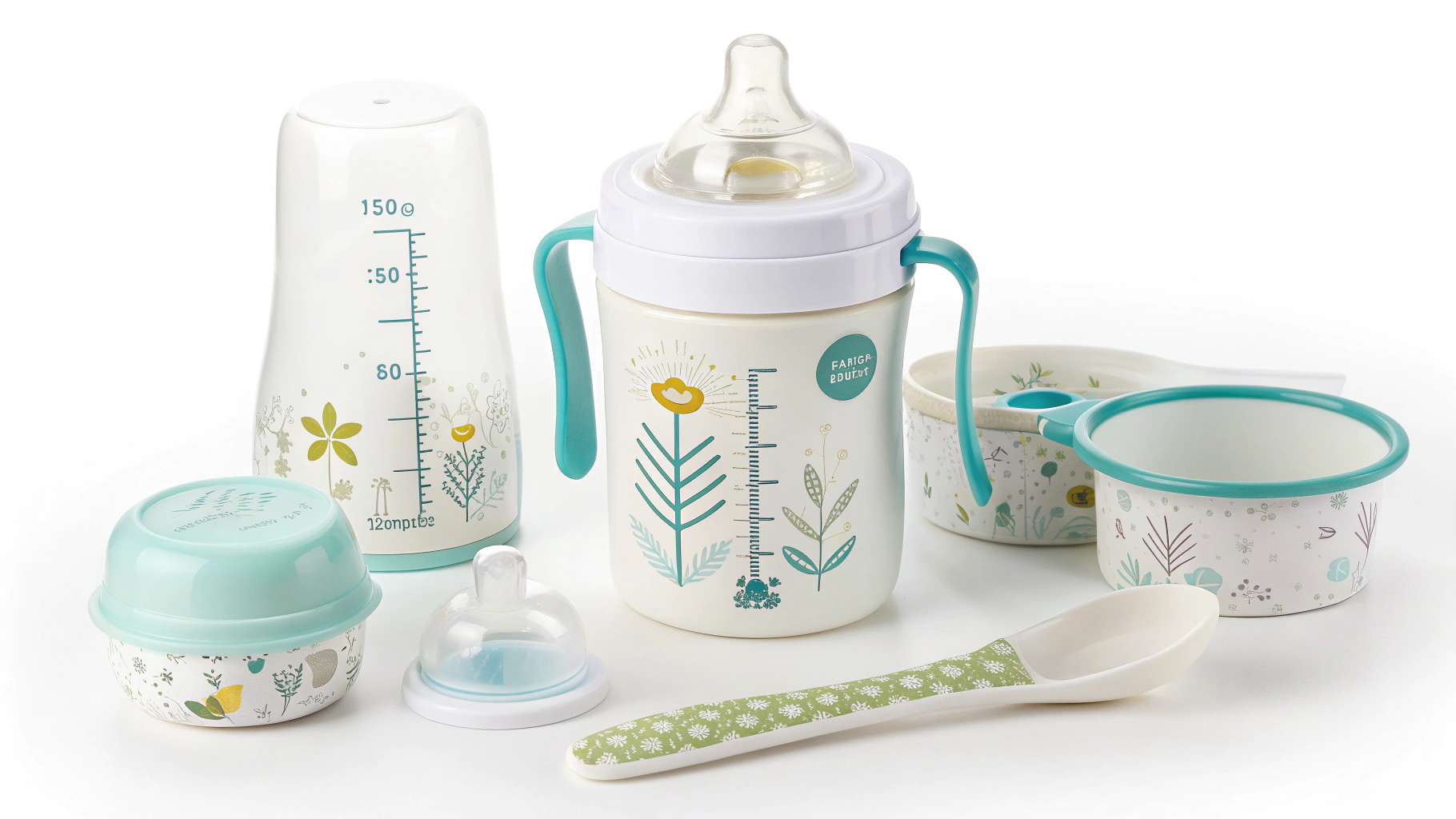
Feeding a baby is one of the most important aspects of parenting. Proper nutrition helps babies grow healthy, develop well, and stay happy. Parents need the right baby feeding products to make feeding safe, convenient, and comfortable for both the baby and themselves.
In this article, we will explore everything parents need to know about baby feeding products, including types, benefits, safety tips, and how to choose the best products for your baby.
What Are Baby Feeding Products?
Baby feeding products are items designed to help babies receive the nutrition they need, whether through breastfeeding, formula feeding, or solid foods. These products make feeding easier, more hygienic, and more efficient.
Common baby feeding products include:
- Bottles and nipples
- Breast pumps and accessories
- Formula dispensers
- High chairs and booster seats
- Spoons, bowls, and plates
- Sippy cups and training cups
- Burp cloths and bibs
Essential Baby Feeding Products
1. Bottles and Nipples
Bottles are essential for formula feeding or when parents need to store breast milk.
- Material: Bottles come in plastic, glass, or silicone. Plastic bottles are lightweight, glass bottles are durable, and silicone bottles are flexible.
- Nipples: Choose nipples according to the baby’s age and feeding speed. Some nipples mimic the natural shape of the breast to make transitioning between breastfeeding and bottle-feeding easier.
- Sizes: Bottles range from small (4 oz) for newborns to larger (8-10 oz) for older babies.
2. Breast Pumps and Accessories
Breastfeeding is recommended by health experts, and a breast pump allows mothers to express milk for later use.
- Manual Pumps: Hand-operated and portable, suitable for occasional use.
- Electric Pumps: Efficient and ideal for frequent pumping or working mothers.
- Milk Storage Bags and Bottles: Used to store expressed milk safely.
3. Formula Dispensers
Formula dispensers make preparing formula faster and more organized. They are especially useful for parents on the go.
- Powder Dispensers: Hold pre-measured amounts of formula.
- Liquid Formula Bottles: Ready-to-use formula that doesn’t require mixing.
4. High Chairs and Booster Seats
Once babies start eating solids around 6 months, high chairs become essential.
- High Chairs: Provide a safe and comfortable place for babies to eat. Many high chairs have adjustable heights and reclining seats.
- Booster Seats: Attach to dining chairs for older babies and toddlers, allowing them to join family meals.
5. Spoons, Bowls, and Plates
Introducing solids requires baby-friendly utensils:
- Soft-Tipped Spoons: Gentle on gums and teeth.
- Non-Slip Bowls and Plates: Reduce spills and messes.
- Divided Plates: Keep different foods separate for easy feeding.
6. Sippy Cups and Training Cups
As babies grow, transitioning from bottles to cups is important:
- Sippy Cups: Help babies learn to drink independently without spills.
- Training Cups: Designed for older babies, often with handles and spill-proof lids.
7. Burp Cloths and Bibs
Babies often spit up or make a mess during feeding:
- Burp Cloths: Protect clothing while burping the baby.
- Bibs: Keep clothes clean during meals. Choose waterproof or absorbent materials.
Benefits of Using Baby Feeding Products
Using proper feeding products has many advantages:
1. Convenience
Feeding products save time and effort for parents. Bottles, formula dispensers, and high chairs make feeding faster and more organized.
2. Safety
Products like bottles, breast pumps, and high chairs are designed to meet safety standards, ensuring that babies feed without choking hazards or contamination.
3. Hygiene
Using clean, sterilized bottles and utensils reduces the risk of infection and illness.
4. Comfort for Babies
Soft nipples, ergonomic spoons, and supportive high chairs help babies feed comfortably and enjoy their meals.
5. Supports Growth and Development
Feeding products help babies receive adequate nutrition, which is essential for growth, cognitive development, and overall health.
6. Supports Parents
Products like breast pumps and formula dispensers make feeding easier for working parents or caregivers, reducing stress and fatigue.
How to Choose the Right Baby Feeding Products
Choosing the best products depends on your baby’s needs, age, and your lifestyle:
1. Consider Your Baby’s Age
- Newborns need small bottles and soft nipples.
- Older babies need high chairs, spoons, and training cups.
- Toddlers benefit from booster seats and divided plates.
2. Prioritize Safety
Look for BPA-free, phthalate-free, and FDA-approved products. Avoid small parts that could pose choking hazards.
3. Ease of Cleaning
Choose products that are easy to sterilize and dishwasher safe, such as bottles with wide openings and high chairs with removable trays.
4. Comfort and Ergonomics
Select products designed for comfort:
- Bottles with anti-colic nipples
- Soft-tipped spoons
- Adjustable high chairs and booster seats
5. Durability and Cost
Invest in high-quality products that last longer. Durable bottles, high chairs, and utensils may cost more initially but save money in the long run.
6. Lifestyle Considerations
- Working parents may need electric pumps and portable bottles.
- Travel-friendly bottles and formula dispensers are useful for on-the-go feeding.
Popular Baby Feeding Products Brands
Some of the most trusted brands for baby feeding products include:
- Philips Avent – Bottles, breast pumps, and sterilizers.
- Dr. Brown’s – Bottles designed to reduce colic and gas.
- Medela – High-quality breast pumps and accessories.
- Tommee Tippee – Bottles, sippy cups, and feeding utensils.
- NUK – Bottles, pacifiers, and toddler feeding products.
- OXO Tot – Baby spoons, bowls, plates, and storage solutions.
Feeding Tips for Parents
- Always Wash Hands – Before feeding, wash your hands to reduce the risk of infection.
- Sterilize Bottles and Utensils – Keep all feeding products clean, especially for newborns.
- Check Temperature – Make sure milk or formula is warm, not too hot.
- Feed in a Comfortable Position – Hold the baby upright during feeding to prevent choking and improve digestion.
- Introduce Solids Slowly – Start with soft, pureed foods around 6 months, and use baby-friendly utensils.
- Watch for Allergies – Monitor your baby for reactions to new foods or ingredients.
- Burp the Baby – Always burp your baby after feeding to release swallowed air.
Common Feeding Challenges and Solutions
1. Colic and Gas
- Use anti-colic bottles or nipples to reduce swallowed air.
- Hold the baby upright during feeding.
2. Spit-Up
- Feed smaller amounts more frequently.
- Keep the baby upright for 20–30 minutes after feeding.
3. Transitioning to Solid Foods
- Use soft spoons and non-slip bowls.
- Start with single-ingredient purees and gradually increase texture.
4. Bottle Refusal
- Try different nipple shapes or allow the baby to drink from a cup gradually.
Eco-Friendly Baby Feeding Products
Many parents are choosing sustainable feeding products to reduce environmental impact:
- BPA-free bottles made from glass or silicone
- Reusable silicone storage bags for milk or food
- Biodegradable spoons, plates, and cups
- Cloth bibs and washable burp cloths
Eco-friendly options are safe for babies and help protect the planet.
Conclusion
Baby feeding products are essential tools for parents to ensure their babies receive proper nutrition safely and comfortably. From bottles and breast pumps to high chairs and sippy cups, the right products make feeding easier, more hygienic, and enjoyable for both babies and parents.
When choosing feeding products, always prioritize safety, comfort, and practicality. Consider your baby’s age, feeding style, and lifestyle needs. Investing in high-quality, durable products will save time, reduce stress, and provide your baby with the best start in life.
With careful planning and the right products, feeding your baby can be a pleasant and stress-free experience, helping them grow healthy, happy, and strong.
