


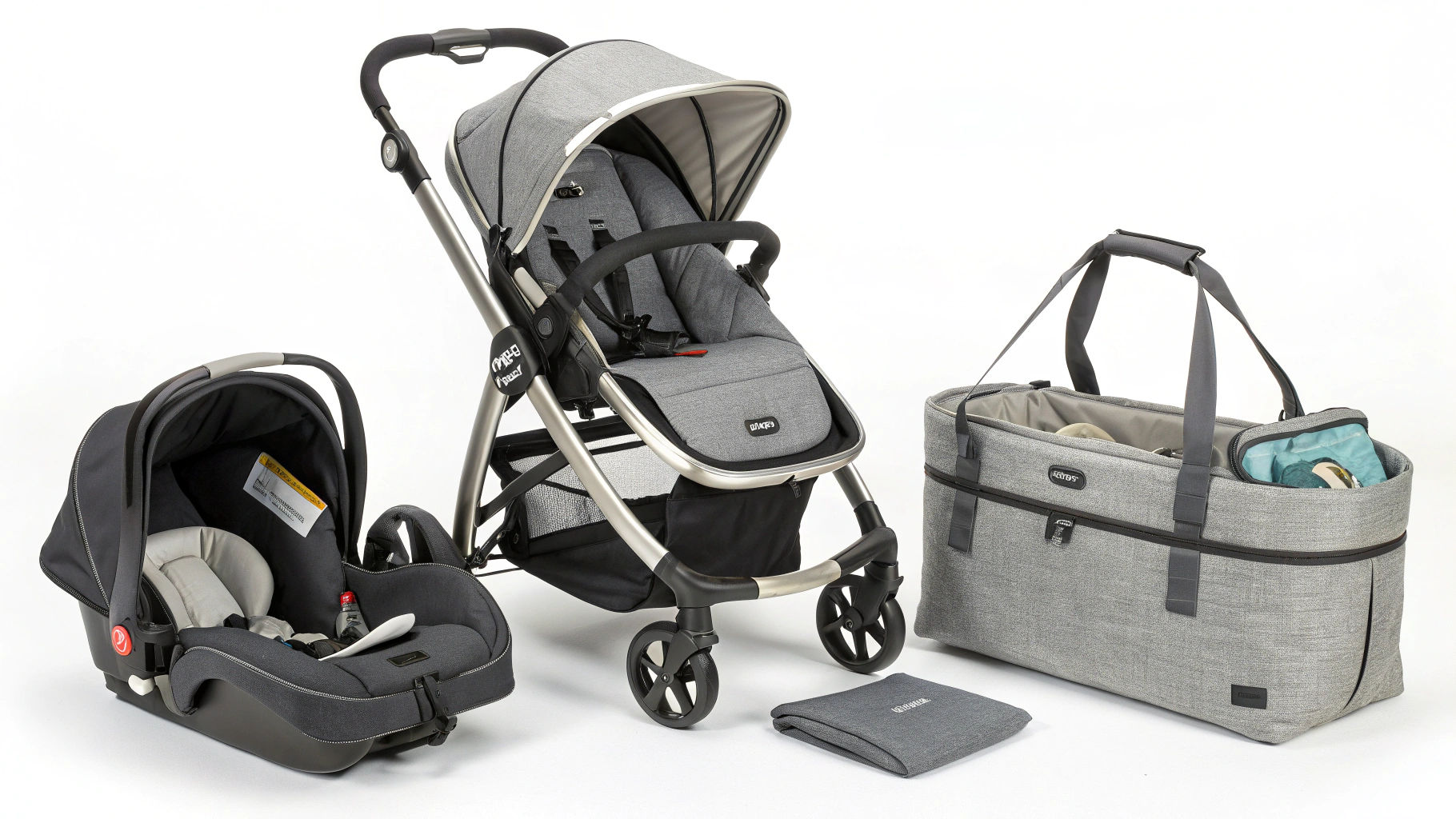
Welcoming a new baby is an exciting experience, but it also comes with many responsibilities. One of the biggest challenges for new parents is choosing the right baby gear. With so many products on the market—from strollers and car seats to high chairs and baby monitors—it can be overwhelming to know what to buy, what is essential, and what is optional.
This article will guide parents through everything they need to know about baby gear, including essential items, tips for choosing safe and practical products, and advice on saving money without compromising quality.
What is Baby Gear?
Baby gear refers to the wide range of products designed to make life easier for parents and safer and more comfortable for babies. Baby gear includes:
- Feeding equipment (bottles, breast pumps, high chairs)
- Sleeping essentials (cribs, bassinets, swaddles)
- Travel gear (strollers, car seats, baby carriers)
- Safety products (baby monitors, gates, corner guards)
- Play and development items (toys, play mats, swings)
While some items are essential, others are nice-to-have but can still make parenting easier.
Essential Baby Gear
Every parent needs certain items for a newborn. These essentials help ensure the baby is safe, comfortable, and well-cared-for.
1. Sleeping Essentials
Babies spend most of their first months sleeping, so having a safe and comfortable sleeping arrangement is vital.
- Cribs and Bassinets: Cribs are suitable from birth to toddler age, while bassinets are smaller, portable, and perfect for the first few months. Always choose a crib that meets safety standards.
- Mattresses and Sheets: A firm mattress with fitted sheets is essential to reduce the risk of SIDS (sudden infant death syndrome).
- Swaddles and Sleep Sacks: These help newborns feel secure and comfortable while sleeping.
2. Diapering Gear
Diapers are a daily necessity for every baby, and parents need a few key items:
- Disposable or Cloth Diapers: Choose based on convenience, cost, and environmental concerns.
- Changing Table or Pad: Provides a safe, organized place for diaper changes.
- Baby Wipes: Gentle, hypoallergenic wipes help keep the baby’s skin clean.
- Diaper Rash Cream: Helps prevent or soothe rashes from wet diapers.
3. Feeding Gear
Whether you breastfeed or use formula, having the right feeding equipment is essential:
- Bottles and Nipples: Choose bottles suitable for your baby’s age.
- Breast Pump: Helpful for mothers who want to express milk.
- High Chair: Necessary once the baby starts solid foods around six months.
- Burp Cloths and Bibs: Protect clothing and keep mealtime mess manageable.
4. Clothing Essentials
Babies grow quickly, so having the right clothing is important:
- Onesies: Comfortable, easy-to-change outfits for daily wear.
- Sleepwear: Soft, breathable pajamas for nighttime.
- Socks and Hats: Help regulate a baby’s body temperature.
- Seasonal Clothing: Jackets, mittens, and hats for colder months; light clothes for summer.
5. Travel Gear
Traveling with a baby requires special equipment to ensure safety and convenience:
- Car Seats: A must-have for every parent. Always choose a seat approved for your baby’s weight and age.
- Strollers: Ideal for walks, errands, or travel. Look for strollers that are lightweight, foldable, and durable.
- Baby Carriers and Slings: Allow parents to keep the baby close while keeping hands free.
6. Health and Safety Gear
Keeping a baby healthy and safe is a top priority:
- Baby Monitor: Helps you keep an eye on the baby when you are in another room.
- Thermometers: Essential for checking the baby’s temperature.
- Nail Clippers and Hair Brushes: Keep nails and hair well-maintained to prevent scratches.
- First Aid Kit: Include baby-safe medications, ointments, and essentials for emergencies.
Optional but Helpful Baby Gear
These items are not strictly essential but can make life easier:
- Swings and Bouncers: Soothe babies and give parents a break.
- Play Mats and Activity Gyms: Encourage development and safe playtime.
- White Noise Machines: Help babies sleep by masking household noise.
- Bottle Warmers and Sterilizers: Make feeding and cleaning easier.
- Teething Toys: Soothe discomfort as the baby grows teeth.
Tips for Choosing the Right Baby Gear
With so many products on the market, choosing the right items can be overwhelming. Here are some tips:
1. Prioritize Safety
Always check for safety certifications and recalls. Look for items that meet recognized standards such as ASTM, JPMA, or CPSC.
2. Consider Your Lifestyle
Choose gear that fits your lifestyle. For example:
- Active parents may prefer lightweight strollers and portable carriers.
- Parents in small apartments may want foldable or compact items.
3. Focus on Practicality
Look for easy-to-clean, durable, and multi-functional items. For example, high chairs with removable trays or strollers that convert into car seats.
4. Read Reviews
Customer reviews provide insight into durability, ease of use, and potential issues. Check reviews before investing in high-cost items.
5. Avoid Overbuying
Babies grow fast, so don’t buy too many clothes, shoes, or toys in advance. Focus on items you will use immediately.
How to Save Money on Baby Gear
Baby gear can be expensive, but there are ways to save without compromising safety:
- Buy in Bulk: Diapers, wipes, and formula are cheaper when purchased in larger quantities.
- Use Second-Hand Items: Cribs, strollers, and baby clothes can often be bought gently used.
- Wait for Sales: Holidays and seasonal sales often offer significant discounts.
- Choose Multi-Purpose Items: Convertible cribs, stroller-car seat combos, and high chairs that grow with the child save money long-term.
- Gift Registries: Many parents create registries for baby showers to receive essentials from friends and family.
Baby Gear for Different Stages
As your baby grows, your gear needs will change.
Newborn (0-3 Months)
Focus on sleeping essentials, diapers, and basic clothing. Swaddles, bassinets, and newborn car seats are important.
Infants (3-12 Months)
Introduce play mats, teething toys, high chairs, and larger car seats or convertible strollers.
Toddlers (1-3 Years)
Consider booster seats, potty training gear, and age-appropriate toys. Strollers may transition to jogging or lightweight versions.
Preschoolers (3+ Years)
Gear focuses on learning, mobility, and safety, including backpacks, ride-on toys, and safety gates for home.
Popular Baby Gear Brands
Some trusted brands for baby gear include:
- Graco – Known for strollers, car seats, and swings.
- Chicco – Offers car seats, high chairs, and baby carriers.
- Fisher-Price – Play mats, swings, and toys.
- Huggies and Pampers – Diapers and wipes.
- Philips Avent – Bottles, breast pumps, and feeding accessories.
Safety Tips for Using Baby Gear
Safety should always be a top priority. Here are some tips:
- Always secure car seats and strollers properly.
- Never leave babies unattended in swings or bouncers.
- Follow weight and age recommendations for all equipment.
- Avoid items with small parts that can be a choking hazard.
- Keep cords, ribbons, and strings out of reach.
Conclusion
Baby gear is essential for modern parenting. From diapers and cribs to strollers and high chairs, having the right equipment makes caring for a baby easier, safer, and more comfortable. While some items are essential, others are optional but can save time and reduce stress.
When choosing baby gear, always consider safety, practicality, and your lifestyle. Focus on items that will last, adapt to your baby’s growth, and make everyday tasks simpler. With careful planning and smart choices, you can create a safe, comfortable, and organized environment for your baby while also making life easier for yourself.
Investing in high-quality baby gear is not just about convenience—it is about giving your baby the best start in life.
