


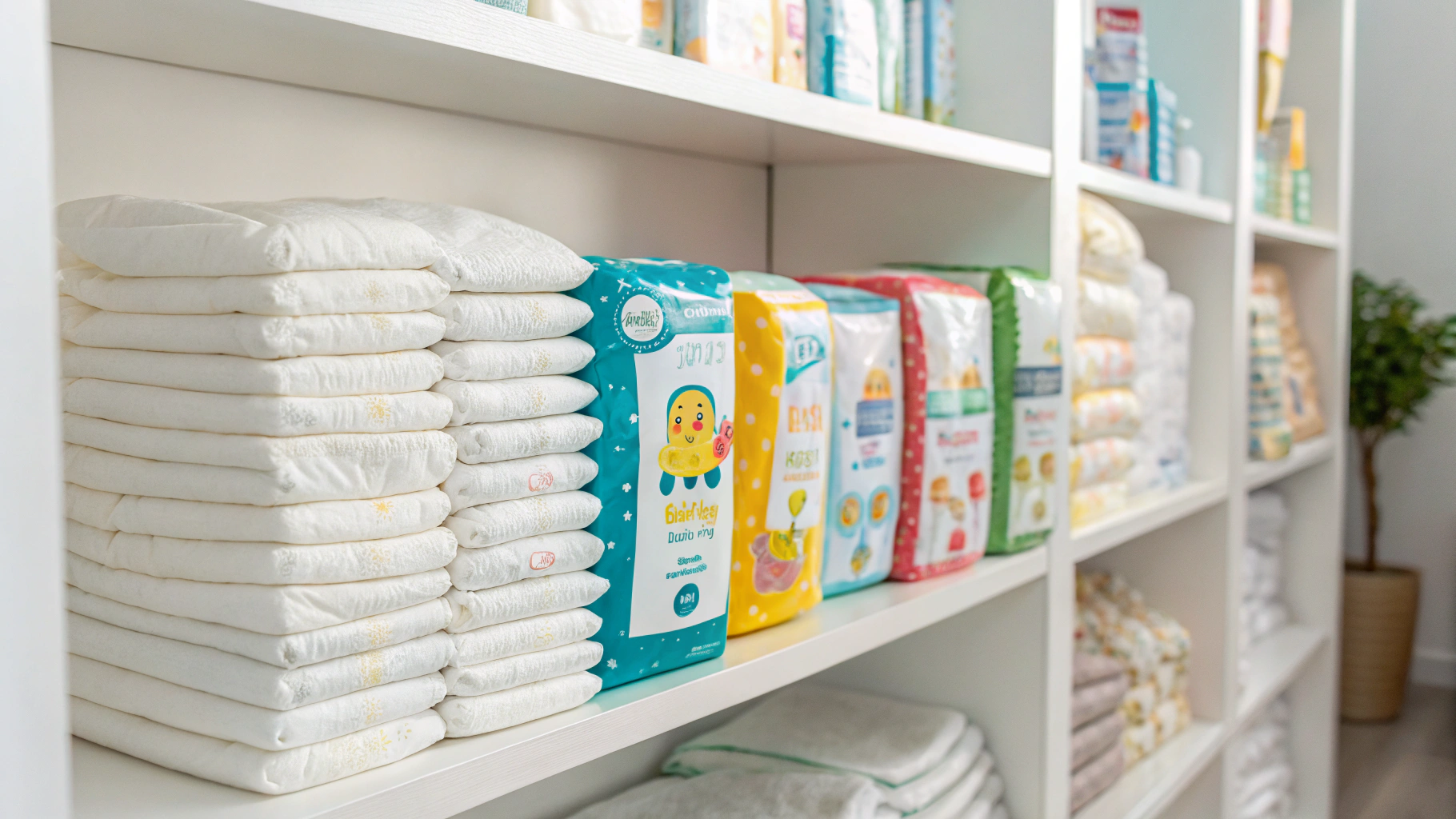
Taking care of a baby is both exciting and challenging. One of the most essential baby products that every parent relies on is diapers. They keep your baby clean, dry, and comfortable throughout the day and night. Among the different types of diapers available, disposable diapers are the most popular choice because of their convenience, absorbency, and ease of use.
In this article, we will explain everything you need to know about disposable diapers, including their types, features, benefits, usage tips, environmental concerns, and how to choose the right one for your baby.
What Are Disposable Diapers?
Disposable diapers are baby diapers designed for single-use. Unlike cloth diapers, which require washing after each use, disposable diapers are thrown away after they become soiled. They are made with absorbent materials, soft layers, and leak-proof designs to keep a baby dry and comfortable for several hours.
These diapers are available in various sizes, shapes, and designs, tailored to different ages, weights, and skin sensitivities. Many brands also offer hypoallergenic, fragrance-free, and eco-friendly options to meet parents’ specific needs.
Key Features of Disposable Diapers
Disposable diapers come with several features that make them convenient and effective:
- Absorbent Core
- The main feature of a disposable diaper is its absorbent core, which quickly pulls in urine and locks it away from the baby’s skin. This prevents rashes and keeps your baby dry.
- Leak Protection
- Disposable diapers are designed with elastic leg cuffs and waistbands that prevent leaks, even when your baby moves, crawls, or rolls over.
- Soft, Gentle Material
- Most disposable diapers are made with soft materials that are gentle on a baby’s delicate skin. Many brands also offer hypoallergenic options for sensitive skin.
- Wetness Indicator
- Many modern diapers come with a wetness indicator that changes color when the diaper is wet. This helps parents know when it’s time for a change.
- Convenient Tabs or Fasteners
- Disposable diapers come with adhesive tabs or hook-and-loop fasteners that make it easy to secure the diaper and adjust it as needed.
- Breathable Design
- Good disposable diapers allow air to circulate, keeping the baby’s skin dry and preventing irritation or diaper rash.
Types of Disposable Diapers
Disposable diapers come in several types to meet different needs:
1. Standard Disposable Diapers
These are the most common type of disposable diapers. They are suitable for everyday use and provide basic comfort and absorbency.
2. Premium or Ultra-Absorbent Diapers
Premium diapers offer extra absorbency, making them ideal for overnight use or longer periods without a diaper change.
3. Hypoallergenic Diapers
For babies with sensitive skin or eczema, hypoallergenic diapers are designed to reduce irritation. They are fragrance-free, soft, and made with gentle materials.
4. Eco-Friendly or Biodegradable Diapers
These diapers are made from plant-based materials and are biodegradable, making them a better choice for environmentally conscious parents.
5. Swim Diapers
Specially designed for water use, swim diapers do not swell in water and contain solid waste while allowing liquids to pass through.
Benefits of Using Disposable Diapers
Disposable diapers are highly popular for several reasons. Here are some key benefits:
1. Convenience
The main advantage of disposable diapers is their convenience. Parents can quickly change a diaper and throw it away, without worrying about washing or drying. This is especially useful when traveling or going out.
2. High Absorbency
Disposable diapers can absorb a large amount of liquid, keeping babies dry for hours. Many premium diapers are designed to hold even overnight wetness.
3. Leak Protection
Modern disposable diapers are designed with elastic waistbands, leg cuffs, and multiple layers that prevent leaks. This keeps babies comfortable and reduces mess.
4. Hygiene
Since disposable diapers are single-use, they are more hygienic than cloth diapers. Parents can reduce the risk of infection and irritation caused by prolonged exposure to moisture.
5. Comfort and Mobility
Soft materials and flexible designs allow babies to move freely, crawl, and play comfortably while wearing disposable diapers.
6. Wetness Indicators
Some disposable diapers come with wetness indicators that change color when the diaper is wet. This helps parents monitor their baby’s comfort easily.
How to Choose the Right Disposable Diaper
Choosing the right diaper is important for your baby’s comfort and skin health. Consider these factors:
1. Size
Diapers come in sizes based on a baby’s weight, not just age. Using the correct size prevents leaks and ensures comfort. For example:
- Newborn: 5-10 lbs (2.3-4.5 kg)
- Size 1: 8-14 lbs (3.6-6.4 kg)
- Size 2: 12-18 lbs (5.5-8.2 kg)
- Sizes continue for toddlers and older babies.
2. Absorbency
Choose a diaper with sufficient absorbency for your baby’s needs. Overnight diapers often have extra absorbent cores to last through the night.
3. Skin Sensitivity
If your baby has sensitive skin, look for fragrance-free, hypoallergenic diapers that are soft and gentle.
4. Comfort and Fit
Elastic waistbands, stretchy sides, and soft materials improve comfort and prevent leaks. Make sure the diaper fits snugly without being too tight.
5. Eco-Friendly Options
If you are environmentally conscious, consider biodegradable diapers or those made from plant-based materials. These reduce landfill waste while keeping your baby dry.
6. Brand Reputation
Well-known brands like Huggies, Pampers, and Luvs are trusted by parents for quality, safety, and comfort. Reading customer reviews can help you make a better choice.
How to Use Disposable Diapers
Using disposable diapers correctly ensures your baby stays comfortable and avoids rashes:
- Clean the Baby’s Skin
- Always clean the baby’s bottom with wipes or a soft cloth before putting on a new diaper.
- Place the Diaper Correctly
- Open the diaper, place your baby on top, and pull the front up between the legs. Secure the tabs snugly but not too tight.
- Check the Fit
- Ensure the diaper is snug around the waist and legs to prevent leaks.
- Change Regularly
- Change diapers frequently, usually every 2-3 hours, or when the baby urinates or soils the diaper. This prevents rashes and irritation.
- Dispose Properly
- Fold the used diaper, secure it with the tabs, and throw it in a trash bin. Avoid flushing disposable diapers as they can clog plumbing.
Common Concerns About Disposable Diapers
While disposable diapers are convenient, some parents have concerns. Here’s a look at the most common ones:
1. Diaper Rash
Prolonged exposure to wetness can cause diaper rash. Using diapers with high absorbency, changing them frequently, and using diaper creams can prevent this.
2. Environmental Impact
Disposable diapers create landfill waste. To reduce impact, parents can use eco-friendly diapers, cloth diapers for some changes, or hybrid options.
3. Cost
Disposable diapers can be more expensive than cloth diapers in the long run. Buying bulk packs or subscription services can save money.
Tips for Parents
- Always wash your hands before and after changing diapers.
- Keep diaper wipes and creams nearby for quick changes.
- Store diapers in a cool, dry place to maintain their absorbency.
- Rotate brands if necessary to find the best fit for your baby’s skin and body shape.
- For nighttime, use overnight diapers to reduce leaks and improve sleep.
Disposable Diapers for Different Ages
Newborns
Newborns urinate frequently, so diapers should be highly absorbent, soft, and gentle on delicate skin.
Infants (3-12 months)
Diapers should allow free movement for crawling and exploring. Wetness indicators can be helpful.
Toddlers (1-3 years)
Toddlers may start potty training, so consider training pants or pull-up style diapers for independence.
Older Babies
For older babies, comfort and mobility are important. Premium diapers with snug fits and high absorbency are ideal.
Popular Brands
Some of the most trusted disposable diaper brands include:
- Huggies – Known for comfort, absorbency, and hypoallergenic options.
- Pampers – Popular for sensitive skin and overnight protection.
- Luvs – Affordable and reliable with good absorbency.
- Seventh Generation – Eco-friendly, biodegradable options.
Conclusion
Disposable diapers have become an essential part of modern parenting due to their convenience, absorbency, and hygiene. With many types and sizes available, parents can find the perfect diaper to keep their baby comfortable and dry.
By choosing the right size, checking for skin sensitivity, and using diapers correctly, you can prevent rashes and ensure your baby stays happy and healthy. While disposable diapers have some environmental impact, eco-friendly options and proper disposal can help reduce it.
Whether you are a new parent or looking for the best diapers for your toddler, disposable diapers provide a practical, convenient, and reliable solution for your daily parenting needs.
