


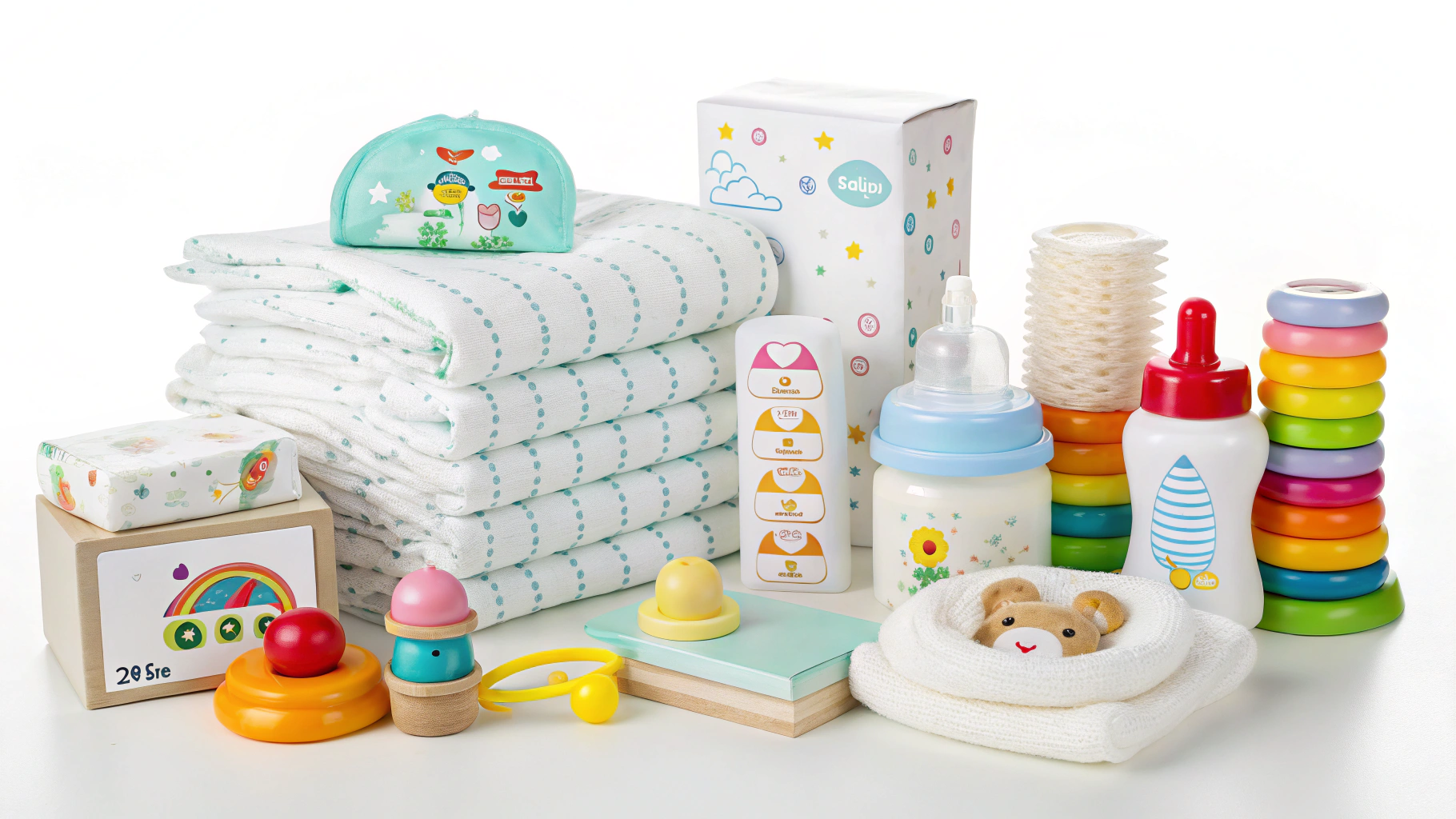
Taking care of a baby is one of the most beautiful experiences in life, but it can also feel overwhelming—especially when you are trying to choose the right products. With so many baby items available today, it becomes difficult to decide what is essential, what is optional, and what truly makes life easier for both you and your little one.
This long, easy-to-read guide will help you understand the most important baby care must-haves, why you need them, and how to choose the right ones. We’ll cover diapers, feeding essentials, clothes, bath items, toys, safety gear, and everything else that supports your baby’s growth and comfort.
Let’s begin!
1. Diapers & Changing Essentials
Diapers are the first thing every parent thinks of because babies need them from day one. Whether you choose disposable, cloth, or a mix of both, having the right diapering items saves time, reduces mess, and keeps your baby comfortable.
a) Disposable Diapers
Disposable diapers are popular because they are easy, quick, and hygienic. You simply use the diaper and throw it away—perfect for busy parents or those who want convenience.
Tips for choosing:
- Pick soft, fragrance-free diapers for sensitive skin
- Check for leak guards and a snug waistband
- Start with smaller packs to test different brands
- Newborns may need 8–12 diapers per day
b) Cloth Diapers
Cloth diapers are eco-friendly and cost-effective in the long run. They require washing, but many parents love them because they are gentle on the skin.
Benefits:
- Saves money over time
- Reusable and sustainable
- Adjustable sizes that grow with the baby
c) Baby Wipes
Wipes are essential for diaper changes, quick cleanups, and on-the-go messes.
Choose wipes that are:
- Alcohol-free
- Fragrance-free
- Hypoallergenic
- Soft and thick
d) Diaper Cream
A good diaper cream prevents rashes and soothes irritation. Babies often get rashes due to moisture, friction, or sensitive skin, so applying cream regularly keeps them safe.
e) Changing Pad or Table
A changing pad gives you a clean and safe place to change the baby. Waterproof pads are especially helpful because accidents are very common.
2. Feeding Essentials – Bottles, Breastfeeding & Solids
Feeding your baby is not just about nutrition—it’s also about bonding, comfort, and routine. Whether you breastfeed, bottle-feed, or mix both, these essentials make feeding smoother.
a) Bottles & Nipples
If you’re bottle-feeding (breastmilk or formula), you’ll need a few bottles and nipples in different flow sizes. Babies grow quickly, so you may need faster-flow nipples later.
What to look for:
- BPA-free plastic or glass
- Anti-colic design to reduce gas
- Easy to clean
- Comfortable shape for feeding
Most parents start with 4–6 bottles.
b) Breast Pump
A breast pump is helpful if:
- You plan to return to work
- You want to store milk
- You need to increase milk supply
- Dad or family members want to help with feeding
Electric pumps are faster, while manual pumps are affordable and portable.
c) Nursing Pillow
A good nursing pillow supports your arms and helps keep your baby in the right position while feeding. It prevents back pain and makes feeding more comfortable.
d) Burp Cloths
Burp cloths protect your clothes from spit-ups. Babies burp after almost every feeding, so having 6–8 cloths is very useful.
e) Formula & Warmers (If Needed)
If you are formula-feeding, choose a brand recommended by your doctor. You don’t always need a bottle warmer, but it can make nighttime feeding easier.
f) Starting Solid Foods
Around 4–6 months, babies start solids. You will need:
- Soft baby spoons
- Small bowls
- Waterproof bibs
- High chair
- Food storage containers
Start with mashed fruits, pureed vegetables, or single-grain cereals and always introduce new foods slowly.
3. Clothing Essentials – Soft, Simple, and Comfortable
Baby clothes should be soft, safe, and easy to put on. You don’t need too many fancy outfits—simple onesies work best.
Must-have baby clothes:
- 6–8 onesies
- 4–6 sleepsuits or rompers
- 4–6 pairs of soft socks
- 2–3 hats (for sun or cold)
- Mittens to prevent scratching
- 2–3 swaddles (for newborns)
- Warm jacket or sweater depending on weather
Choose breathable materials like cotton. Avoid anything with lots of buttons, small decorations, or rough seams.
4. Bath Essentials – Gentle Care for Delicate Skin
Bath time is fun but requires gentle, safe products.
a) Baby Bathtub
A small baby bath or tub insert helps you wash your baby safely without slips.
b) Baby Shampoo & Body Wash
Choose tear-free, fragrance-free, and hypoallergenic formulas. Babies don’t need strong soaps—mild products protect their delicate skin.
c) Soft Towels
Hooded towels keep the baby warm. Choose soft cotton or bamboo towels.
d) Bath Thermometer
This helps ensure bath water is warm—not too hot or too cold. You can also test with your elbow if you don’t have one.
5. Sleep Essentials – Safe & Comfortable Rest
Newborns sleep for most of the day, so safe sleep items are very important.
a) Crib or Bassinet
A sturdy crib or bassinet with proper spacing between rails keeps your baby safe. Avoid used cribs that don’t meet modern safety standards.
b) Firm Mattress
A firm, flat mattress reduces the risk of suffocation. Always use fitted sheets made for the crib size.
c) Swaddles & Sleep Sacks
Swaddles help newborns sleep longer by preventing sudden arm movements that wake them. Sleep sacks keep older babies warm without blankets.
d) Baby Monitor
A monitor gives peace of mind, especially if your baby sleeps in another room. Video monitors let you see and hear your baby anytime.
6. Health & Safety Essentials
Your baby’s health comes first. Having basic safety and health tools at home helps you manage small issues easily.
a) Digital Thermometer
Essential for checking fever. Ear or forehead thermometers are easy for babies.
b) Nasal Aspirator
Babies can’t blow their noses. A nasal aspirator helps clear mucus so they can breathe better.
c) Baby Nail Clippers
Baby nails grow fast and are very sharp. Use baby-safe nail clippers to prevent scratches.
d) First Aid Kit
Keep bandages, antiseptic wipes, baby-safe medicine (as advised by doctor), and cotton swabs.
e) Baby-Proofing Items
Once babies start crawling, your home must be safe:
- Cabinet locks
- Corner protectors
- Outlet covers
- Stair gates
- Door stoppers
Baby-proofing prevents common accidents and gives you peace of mind.
7. Baby Gear – Car Seats, Strollers & Carriers
You will need some gear to move around safely with your baby.
a) Car Seat
A car seat is one of the most important safety purchases. Choose one approved for your baby’s age and weight. Rear-facing seats are required for infants.
b) Stroller
A lightweight stroller is perfect for short trips, while full-size strollers offer more comfort and storage.
Features to look for:
- Easy folding
- Strong wheels
- Seat recline options
- Sunshade
- Storage basket
c) Baby Carrier
Carriers keep your hands free and help babies feel close to you. Choose breathable fabric and proper shoulder support.
8. Toys & Early Learning – Fun + Development
Babies learn through touch, sound, and movement. The best toys are simple and safe.
a) Rattles
Rattles improve hearing and motor skills. They also help babies learn cause and effect.
b) Soft Books
Cloth or board books with bright colors encourage early learning.
c) Play Mat or Activity Gym
A play mat gives your baby space to move, stretch, and practice tummy time.
d) Teething Toys
When babies start teething, soft silicone teethers help soothe gum pain.
e) Sensory Toys
Toys with different textures, shapes, and sounds help babies explore the world.
9. On-the-Go Essentials
When you leave the house, you need a few items packed and ready.
a) Diaper Bag
A good diaper bag keeps everything organized. Look for one with:
- Multiple pockets
- Waterproof lining
- Insulated bottle pockets
- Changing pad included
b) Portable Changing Pad
Useful for public restrooms or outdoor trips.
c) Extra Clothes
Always keep at least one spare outfit in case of leaks or spills.
d) Travel-Size Wipes & Cream
Small items save space and make traveling easier.
10. Baby Comfort Items
Some optional products can make life simpler, especially during the newborn stage.
a) Pacifiers
Some babies love pacifiers; some don’t. They help soothe your baby and reduce crying.
b) White Noise Machine
A gentle white noise machine helps babies sleep longer by masking outside sounds.
c) Rocker or Bouncer
These create gentle motions that calm your baby. Use them safely and supervise your baby at all times.
Simple Tips for New Parents
- Babies don’t need expensive items—just safe and comfortable ones.
- Start with the basics; you can always buy more later.
- Keep everything clean and organized to reduce stress.
- Trust your instincts—you learn quickly!
- Ask doctors for guidance when choosing feeding or health items.
Conclusion
Caring for a baby becomes much easier when you have the right essentials. Diapers, feeding supplies, safe sleep items, toys, and simple health tools help you build a comfortable daily routine. Remember, every baby is different, so you will learn what works best as you go. Start with the must-haves, stay calm, and enjoy each moment with your little one.
